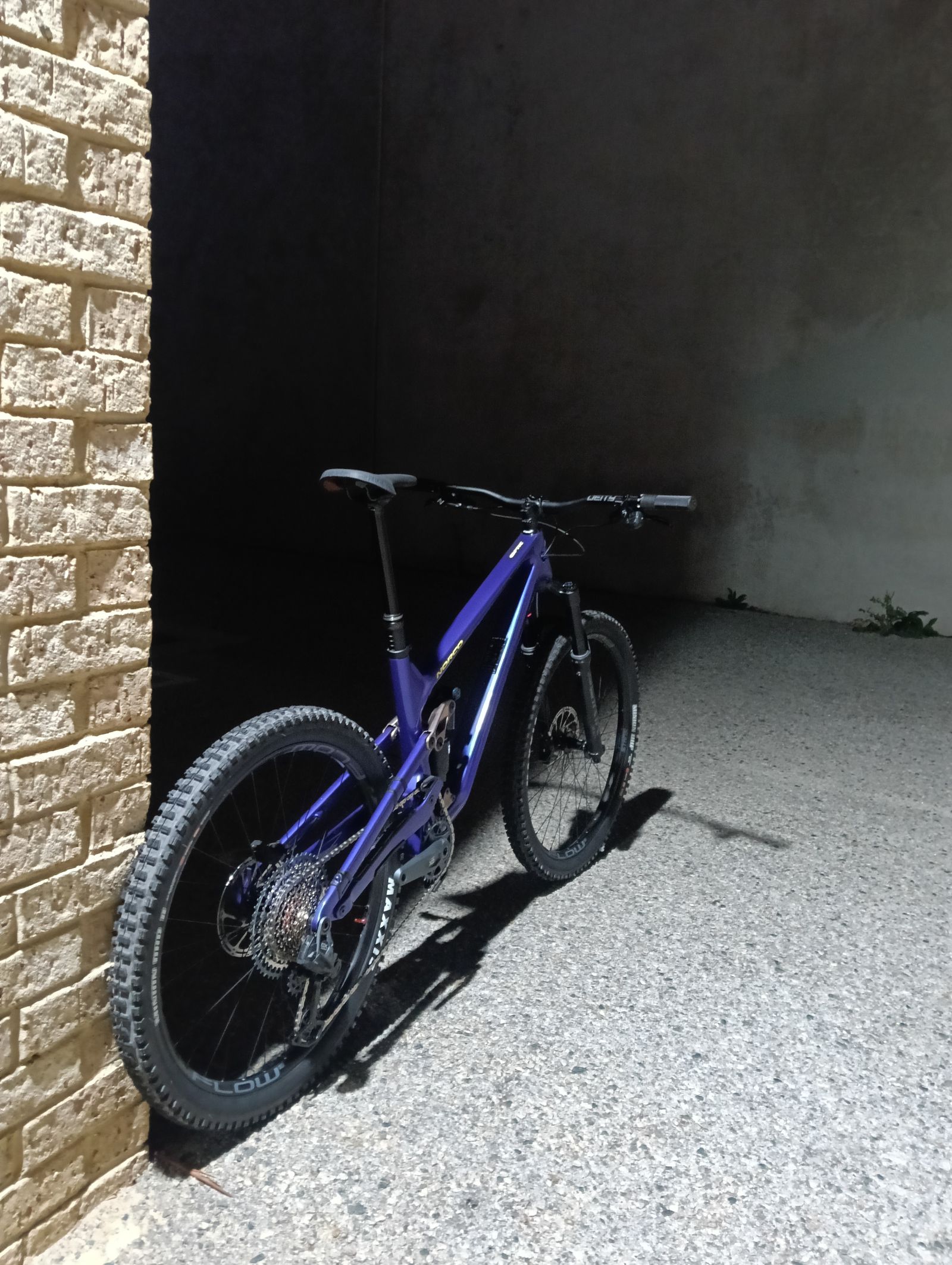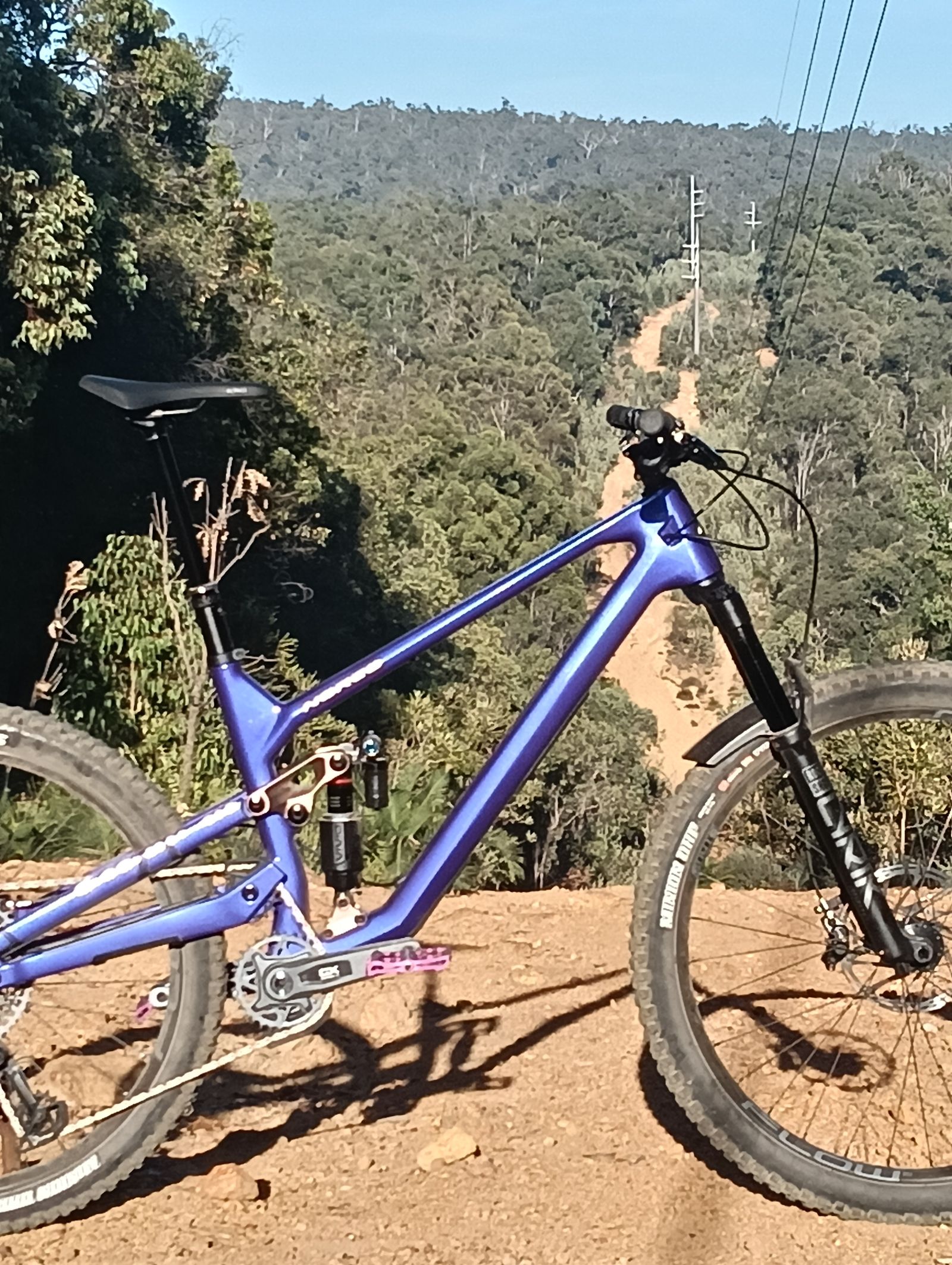


On the 8th May, 2025, white smoke billowed from the chimney of the Sistine chapel, heralding the arrival of my new bike, the 2024 Norco Optic C2 MX.
Out of the Box
I had one of those ‘I was too eager to sign the delivery form that I didn’t bother to check the condition of the box’ moments. I had real concerns before I even opened it up, the box was pretty beat up, every hand hold was ripped, and the box had clearly been opened up and re-taped at some point. On closer inspection it quickly became clear the bike itself had never been unpacked. The factory packing and protection was all totally fine and with the exception of my own impatience, it went together with no issues (kind of….)
Visually – there’s a lot to take in. It’s physical dimensions are big and boxy, way burlier than you’d expect for a trail bike. It is long – wheelbase and reach on the size 4 (Large) are 1254mm and 498mm respectively. For those of you who aren’t geometry nerds, those are big numbers (a “large” Giant Trance from a decade ago had wheelbase and reach of 1176mm and 439mm)
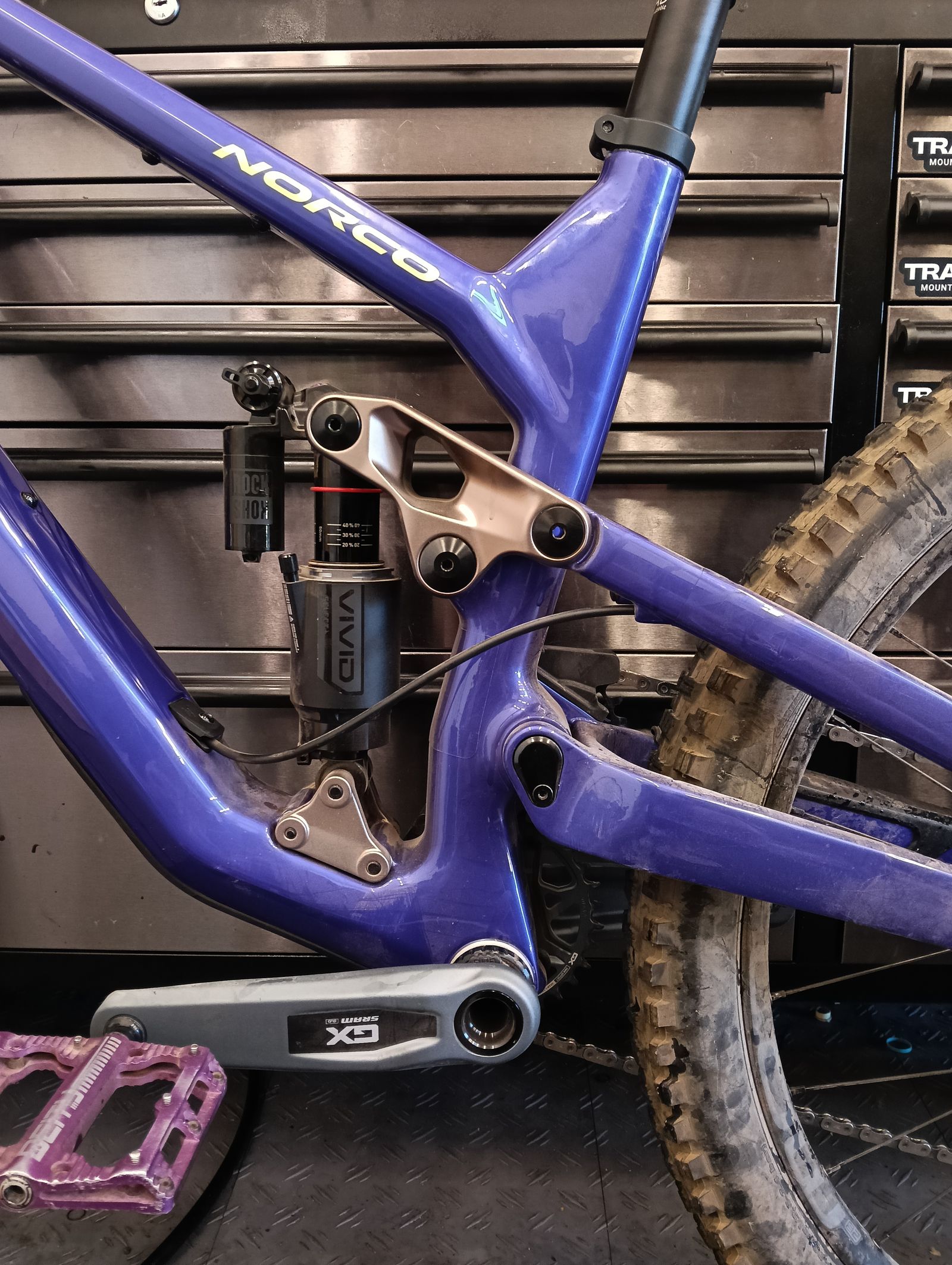
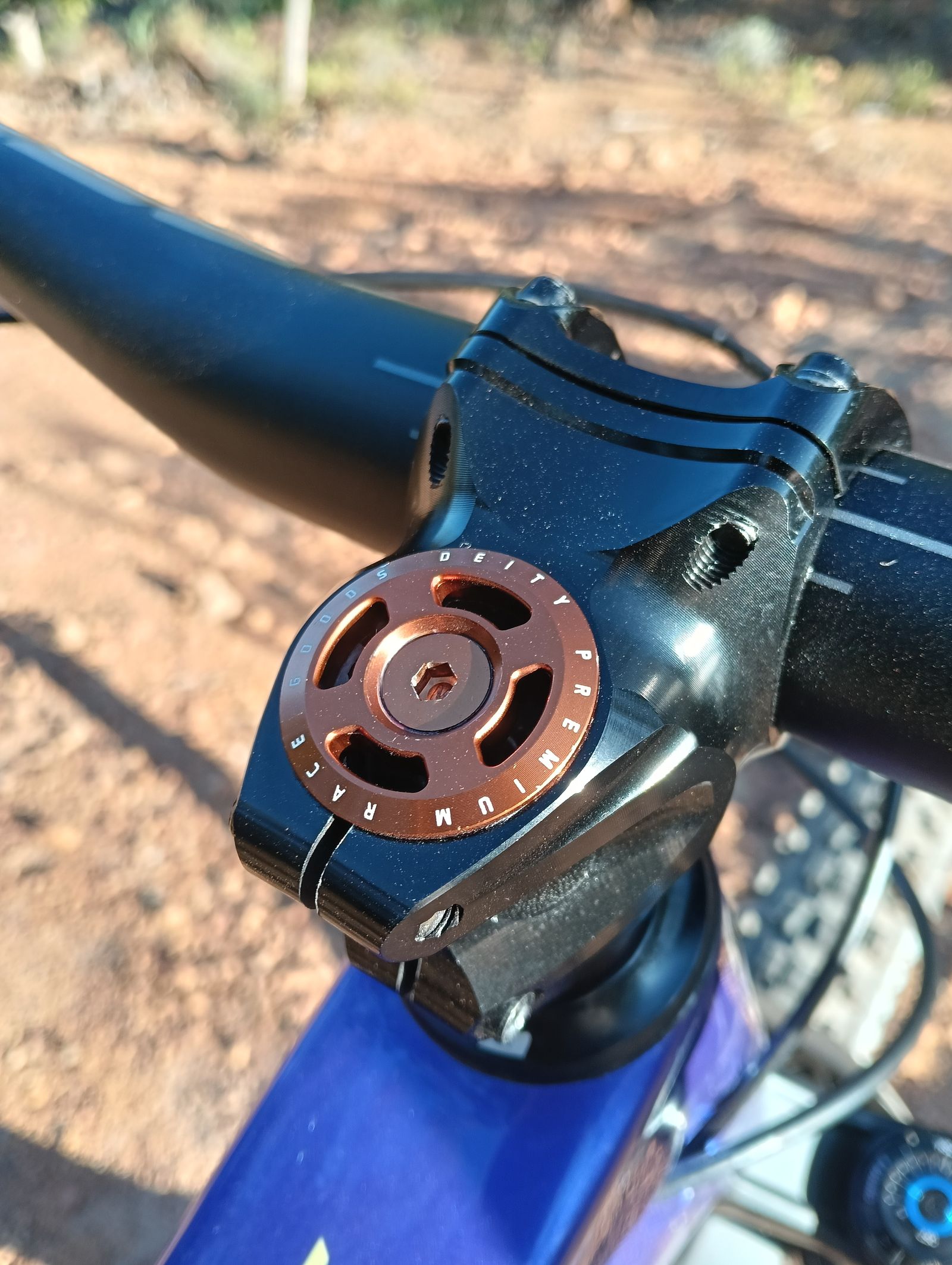
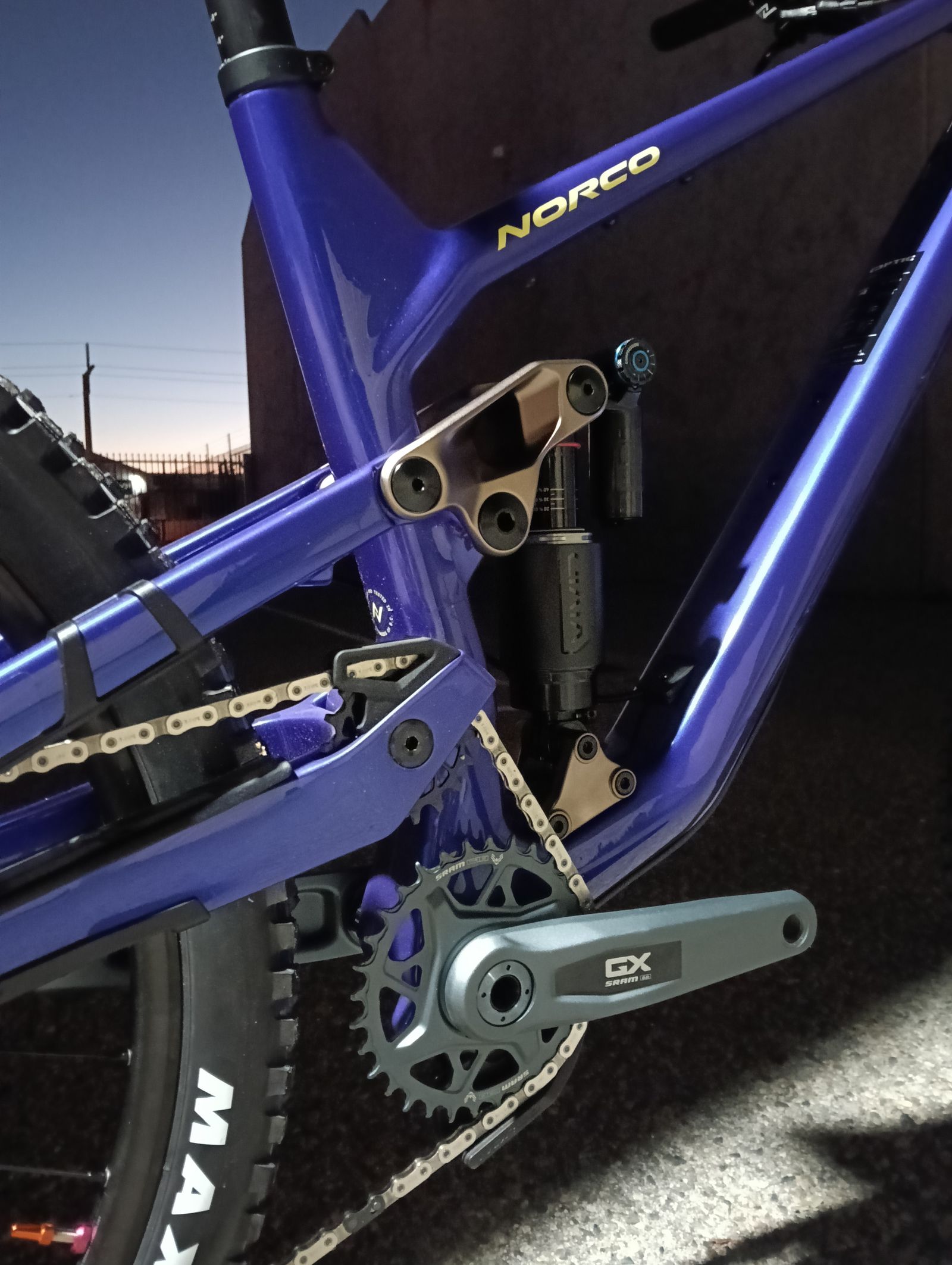
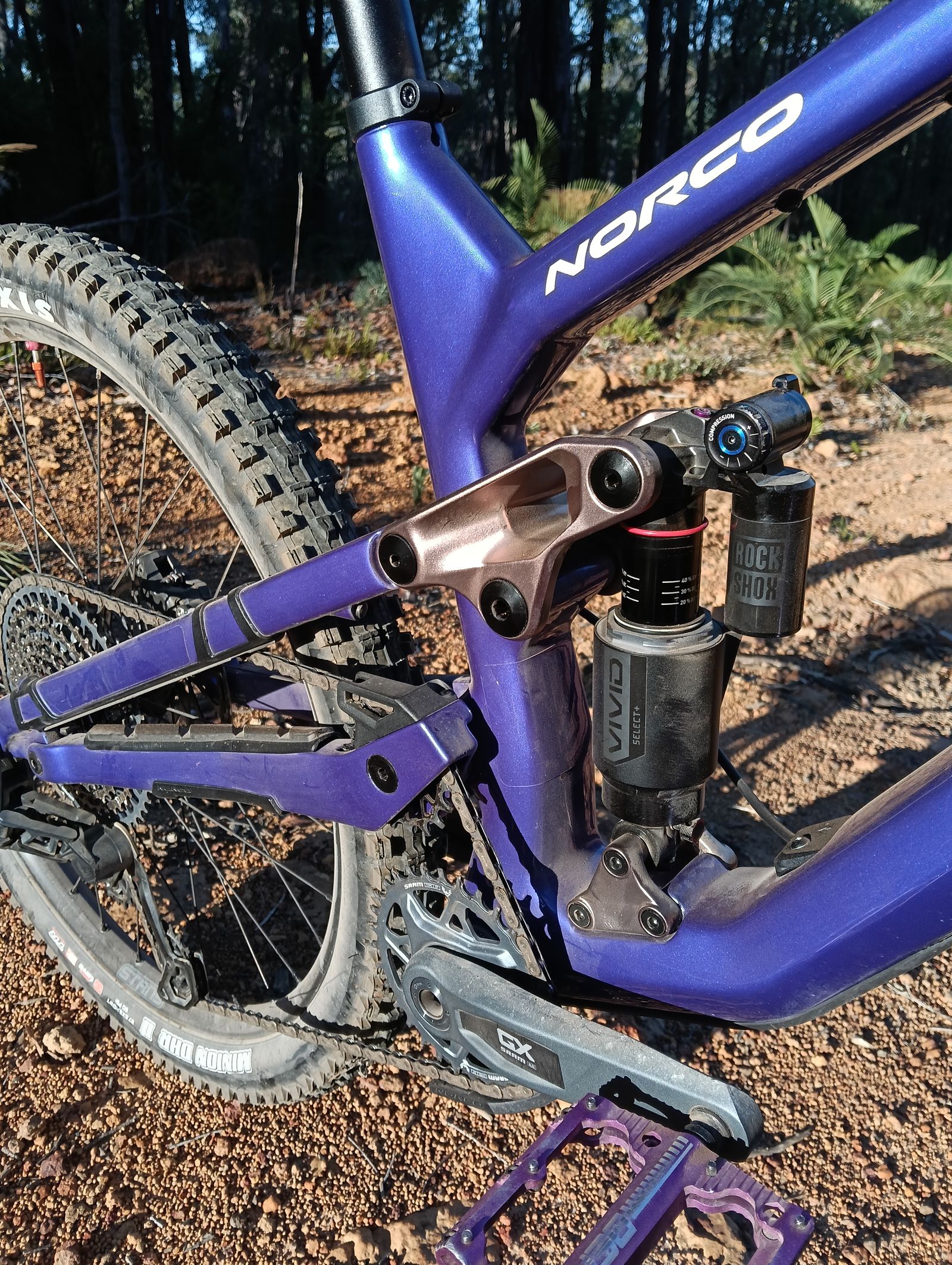
The high pivot really stands out, casting a very different silhouette to a ‘normal’ rear triangle. The bronze coloured shock mount and rocker link are a classy touch. Wireless shifting lends itself to a neater front-end once built properly, and the super low stand-over height pairs well with a monstrous 200mm dropper post.
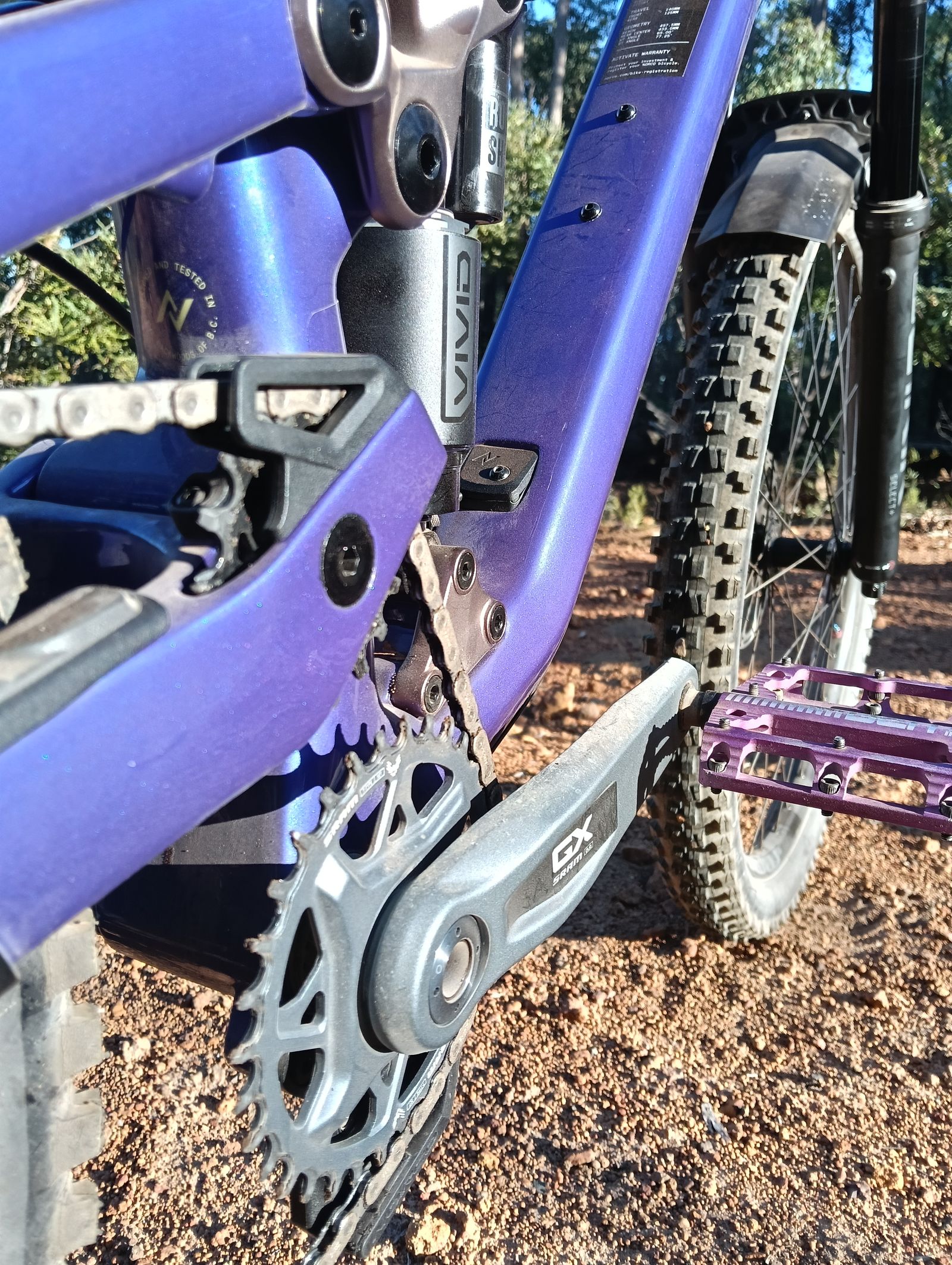
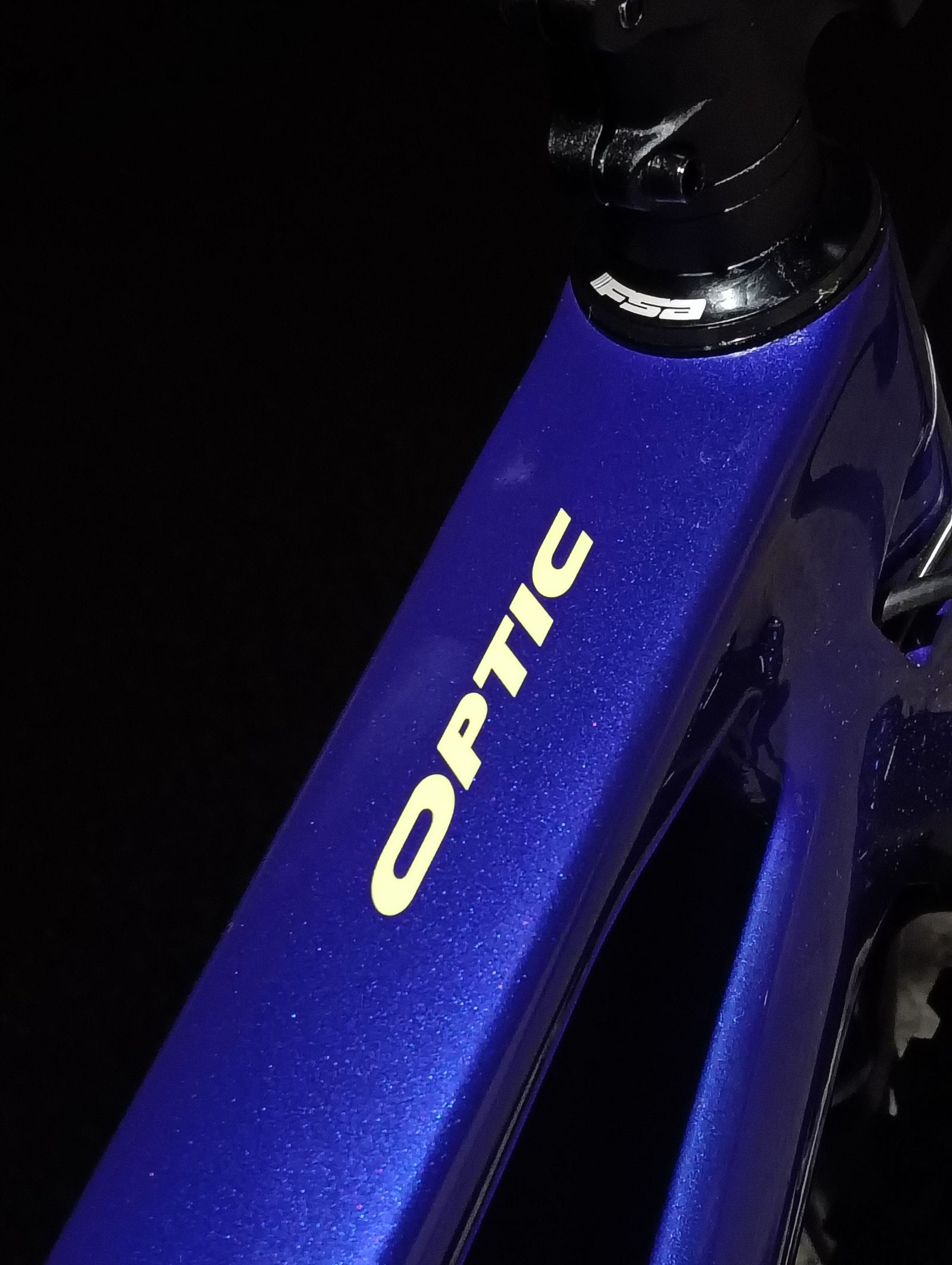
The ‘blurple’ colour looks phenomenal under every lighting condition, and I immediately had to rummage around in my spares for some frame protection. I’ll be very, very upset the day I take a chunk out of this paint. The underside of the downtube already has two big rubber pads on it but the gaps between them are wide and flat, easy targets for front rocks off the front tyre. I added protection to the downtube gaps, and a few other key areas I discovered while building it.
Component Spec
- Full carbon frame with Idler placement by iTrack Suspension
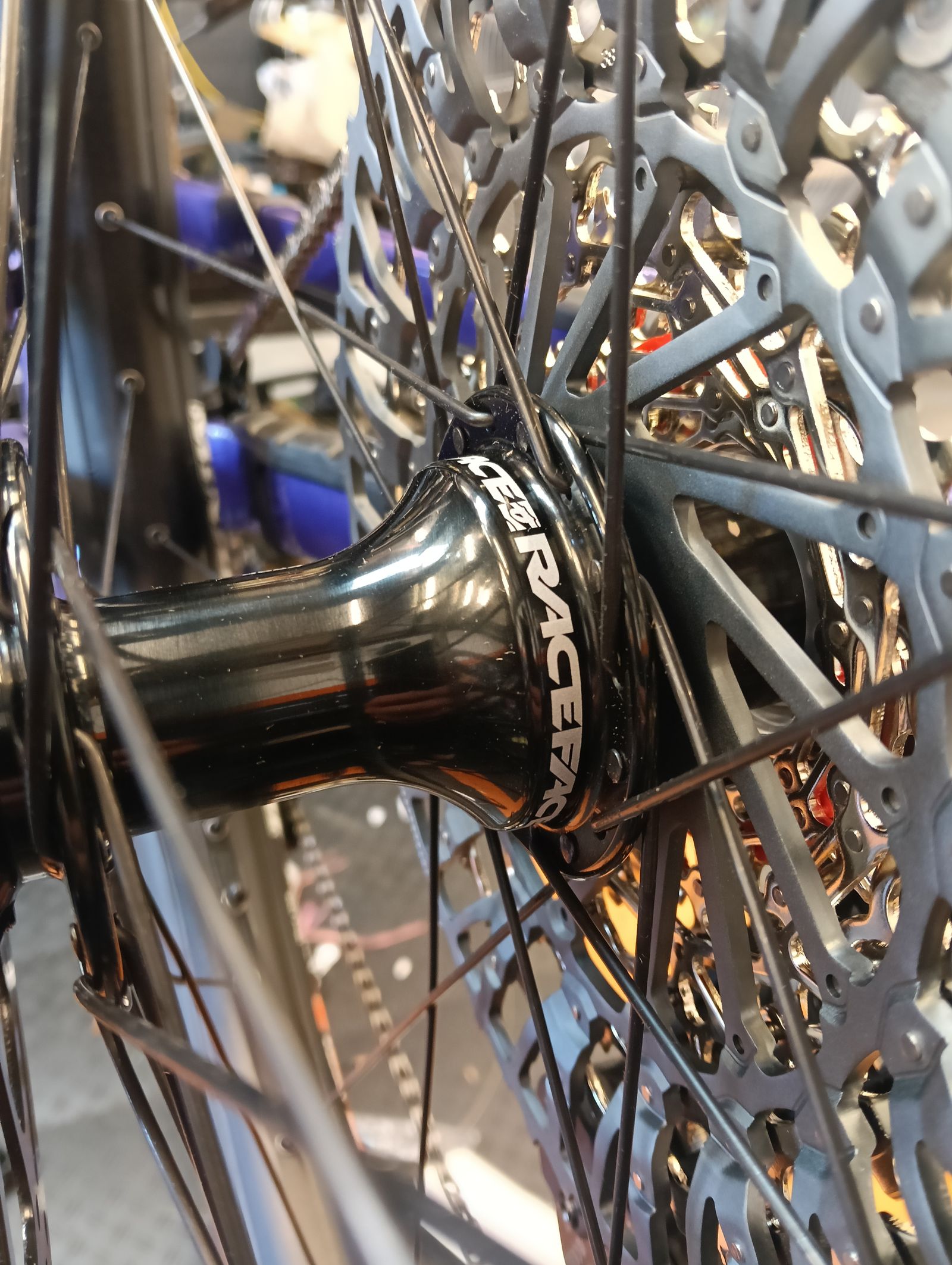
- RaceFace hubs laced into Stans Flow rims, 29 front, 27.5 rear
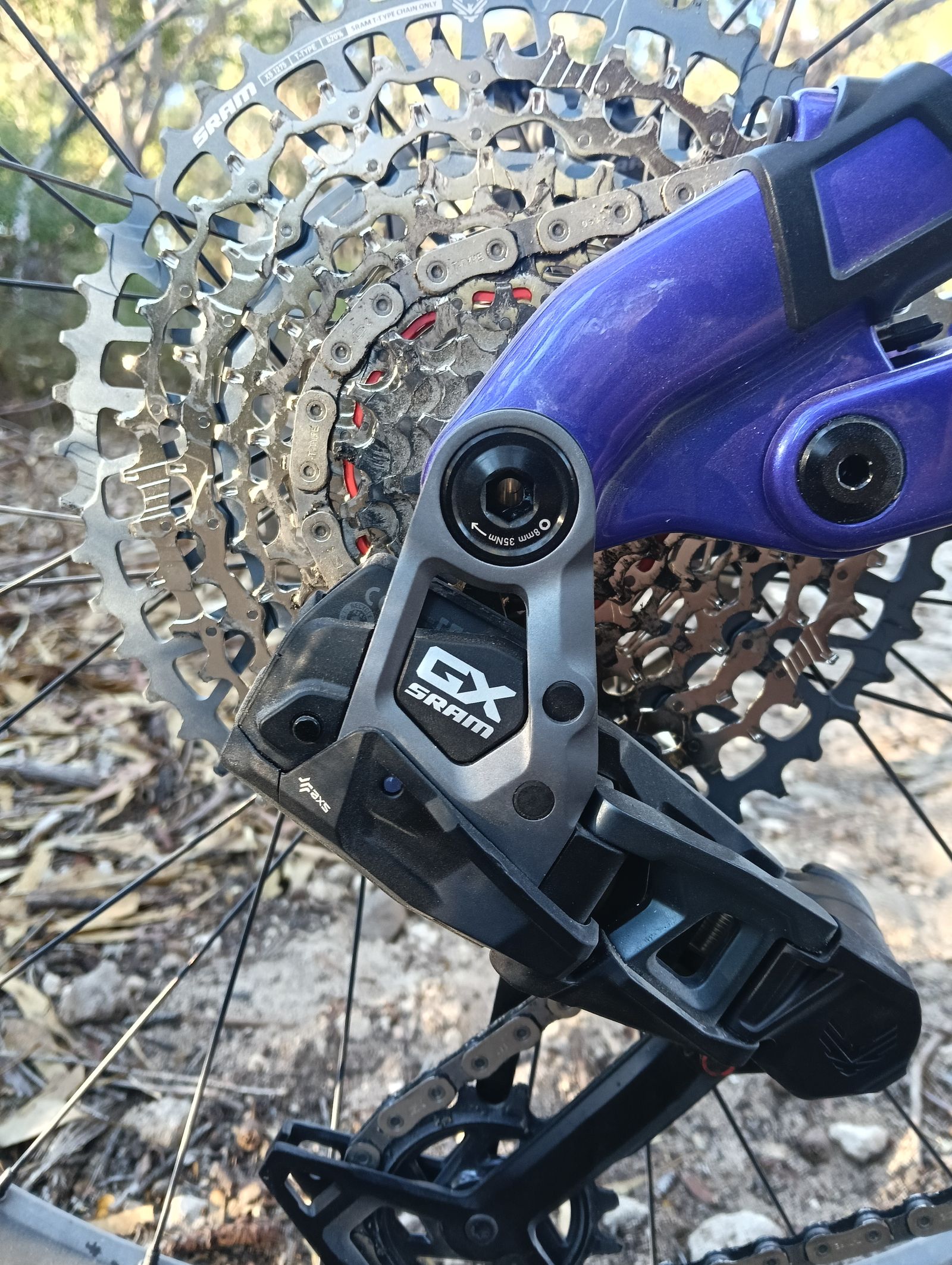
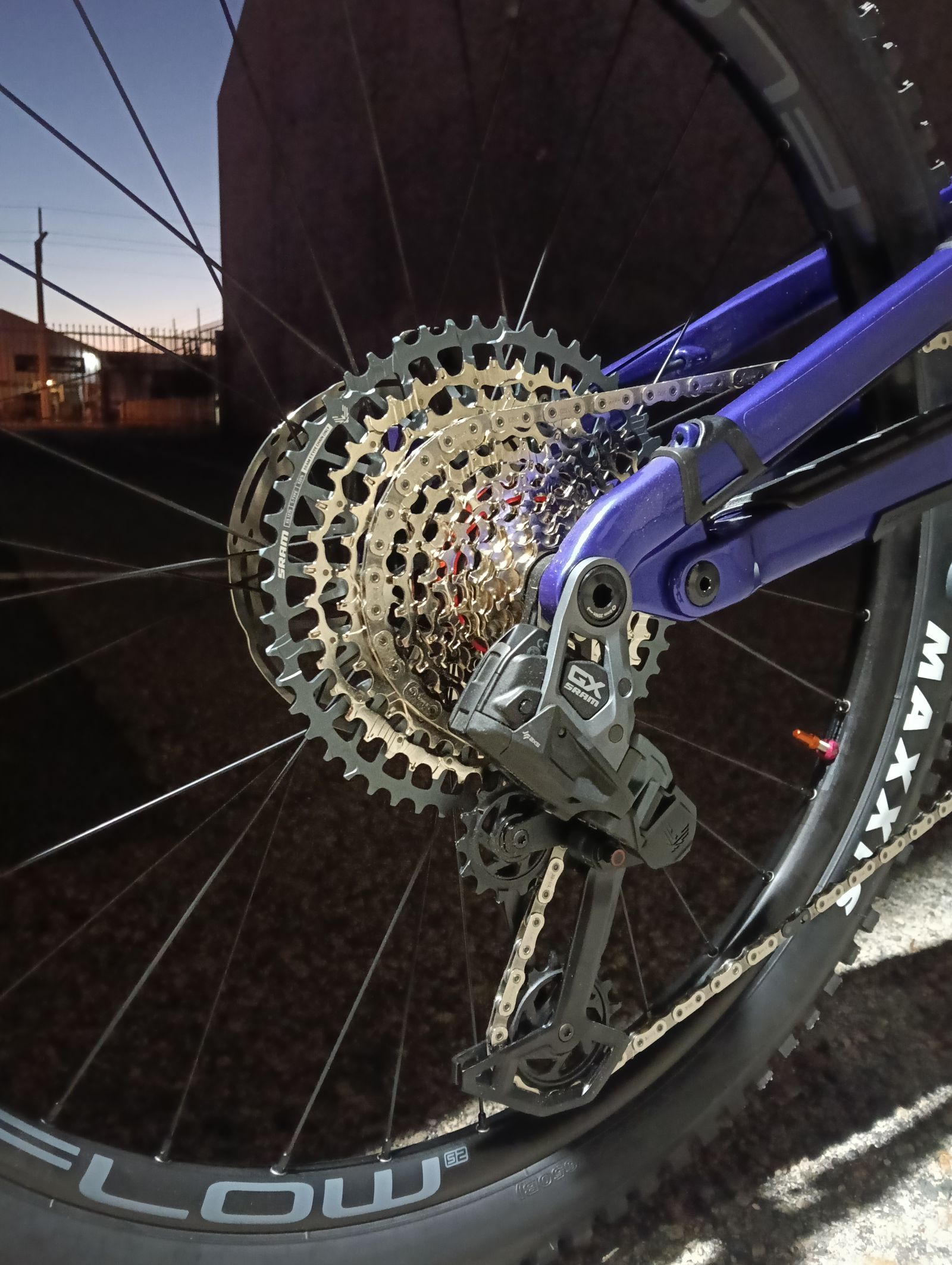
- Eagle GX AXS shifting and drivetrain – wireless!
- Maxxis rubber
- Deity grips
- Deity Bar
- SRAM Code R brakes
- Vivid Air Shock and Lyrik Fork (both S+ version)
- Fizik Alpaca saddle
- 200mm TranX Dropper Post
- 15.86kg ready to ride
Frame & Suspension
Let’s first nail down what this thing is, then I’ll unpack what that actually means.
The Optic C2 frame is full carbon, front to back. The rear suspension design has 125mm of progressive travel built into it. The rear linkage is the familiar 4 bar system, configured as a ‘Virtual High Pivot’ – in the simplest terms, the chain stays are attached to the front triangle far higher up the seat tube than most other designs (where the pivots are close to the bottom bracket, usually hidden by the chainring)
There are plenty of articles and videos online extolling the virtues of high pivot systems, I won’t delve into those here.
The idler pulley sits above the chainring on the chain stay, it’s exact location decided by the iTrack patent, and positioned in such a way that the anti-squat, chain-growth and pedal feedback are all carefully tuned. The idler pulley is neatly integrated into the chain stay. Much tidier than other high pivot examples like the Trek Slash.
Serving up support and damping control for the rear suspension is the new RockShox Vivid Air. I was really excited to swing a leg over a bike with a Vivid Air bolted to it. It hit the market at a time when consumer confidence in it’s most obvious competitor had taken a big hit, and it supposedly addressed all those issues. Tightly controlled damping. Ultra linear air spring. Coil-like small bump sensitivity, and long service intervals with reliable performance the whole time.
Perhaps one of the most intriguing things about the Optic is the decision to bolt such a heavy-hitting rear shock into something that they absolutely insist is a trail bike…..more on this in a minute.
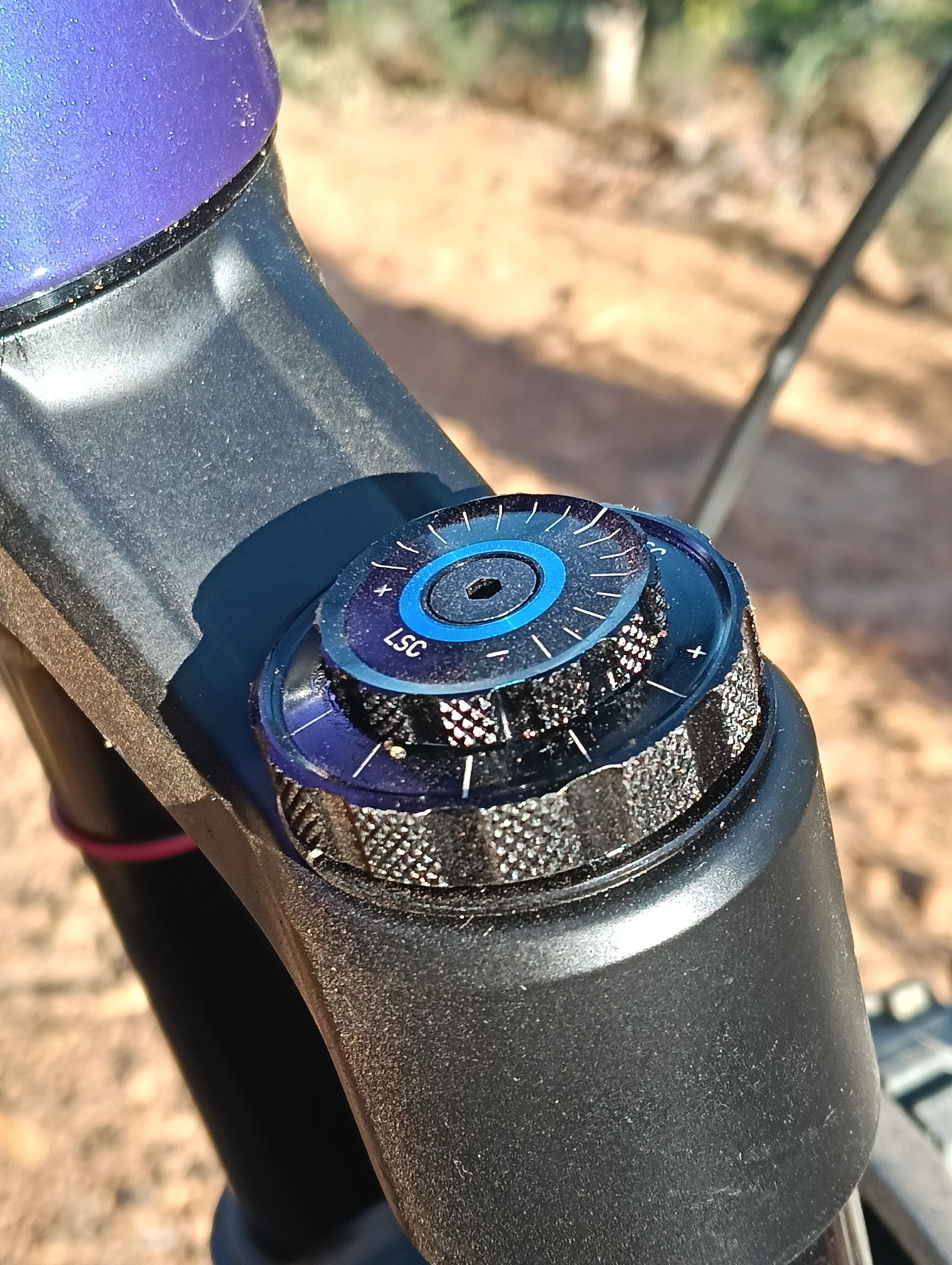
Suspension duties up front are handled by a 140mm Rockshox Lyrik with the Charger 3.1 damper. HSC, LSC and rebound controls abound. I was puzzled at first as to why they didn’t spec a 140mm Pike. Maybe it’s yet another indication of just how hard Norco expect the Optic to be pushed.
More details on Suspension Performance further down.
Ride Impressions
Confusing and Awesome. That’s my initial impression. (Luckily this isn’t how I earn a living. There’s even worse journalism below!)
Maybe a short analogy will help me get the point across: Back in 2006, my mum traded her perfectly normal, reliable, comfortable AU Ford Falcon for the then-new BA XR6 Falcon. Still a 4 door sedan. Still a Falcon. Still had a big boot and 5 seat belts – but it was all bolted onto a sporty chassis – and this was a revelation. It was so stable and firm. Glued to the road with hardly any dive or roll, but it was still SUPREMELY comfortable. Gaining all of that control and composure should surely have come at the expense of comfort…….shouldn’t it?? Turns out, no. Up to a certain point, and with specific use-cases in mind, firmer is better.
The difference between the Optic and every other bike I’ve owned is the difference between the AU and the XR6. It’s a sports car for the MTB trails. A tightly controlled leverage curve and damping that delivers a firm, but comfortable and capable ride. Norco clearly learned lessons from the previous generation Optic – mostly around building more progression into the linkage so that rear shocks didn’t have to be jammed full of volume spacers to get enough support – and it shows. I’m using significantly less PSI in this rear shock than the previous Sight, with no additional volume spacers in the air can.
The optic retains the snappy drive of it’s predecessor. The exact position of the idler means means that high anti-squat numbers are present in the first 4-5 gears on the cassette. High anti squat ‘technically’ means that absolute, outright climbing traction must be slightly compromised under pedaling loads, but here in the hills of Perth, there’s no design on the planet that works on pea gravel anyway. I haven’t yet found a climb where the setup feels compromised. With the climb lever engaged on the rear shock the bike pedals so efficiently that it encourages you to do longer and longer rides. Get more vertical metres. Go do another lap.
Pushing through corners, especially those ever-changing radius turns out in Kalamunda, the Optic generates impressive amounts of grip. A small portion if this must be attributed to the Minion DHF and DHR tyre spec. However for my riding, I do not need a Minion rear tyre. I’ll be fitting a Rekon soon, and this will move the grip bias forward. Sideways is the best ways.
Suspension Impressions
Suspension performance from the rear linkage and Vivid Air is where I get really confused. I want to be clear, it does not feel like it “has more than 125mm of travel”, but what it does feel like, is that every single millimeter it has is so cleverly and carefully tuned, it makes you wonder why other bikes need so much travel.
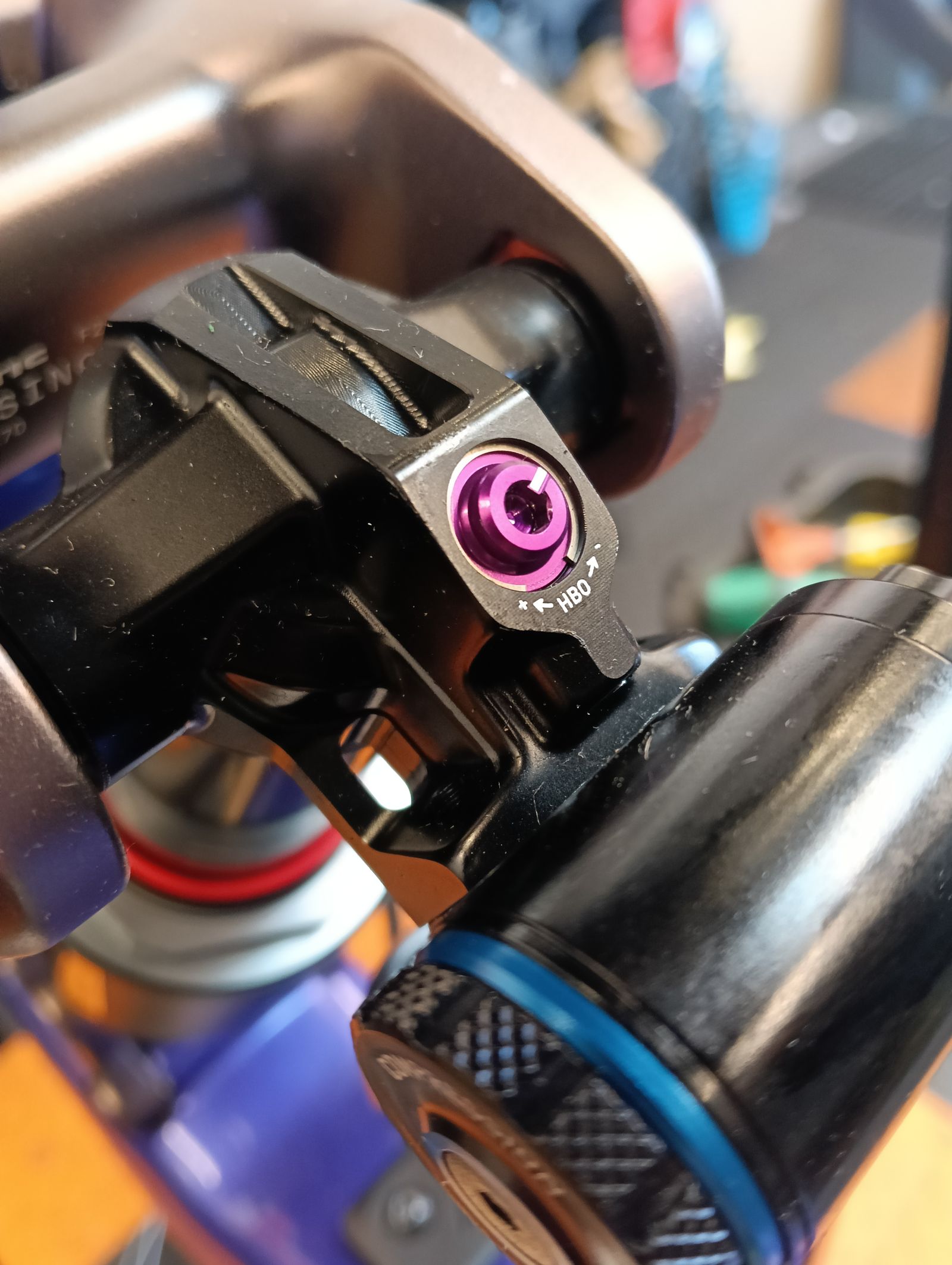
The Vivid Air features RockShox ‘Touchdown’ piston – effectively a bypass in the first 10% of the stroke where there is no hydraulic control, just the very light support of the air spring. The next 70% of the stroke is beautifully damped by the low and high speed valving circuits, and the final 20% of the stroke is where the hydraulic bottom out handles big hits. I actually think this might be one of the keys to unlocking the genius of the Optic platform – instead of big bottom out hits being returned to your hands and feet (assuming you’ve maxed out the air spring) the hydraulic bottom out dissipates more of that energy into the damping circuit as heat before you reach full bottom out. It is very, very impressive, and equally seamless. There are no sudden transitions anywhere in the shocks travel. From the TouchDown bypass, through the main column of damping, to the last hurrah of the HBO – it’s all just one incredibly smooth spring and damper system- Bravo, RockShox.
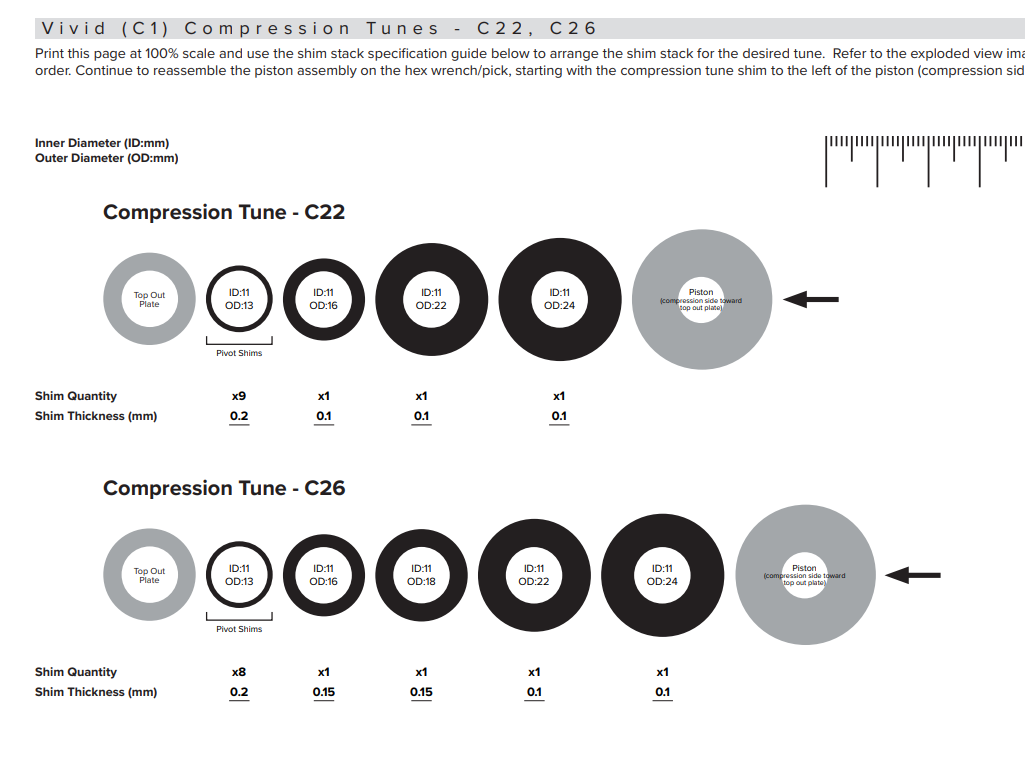
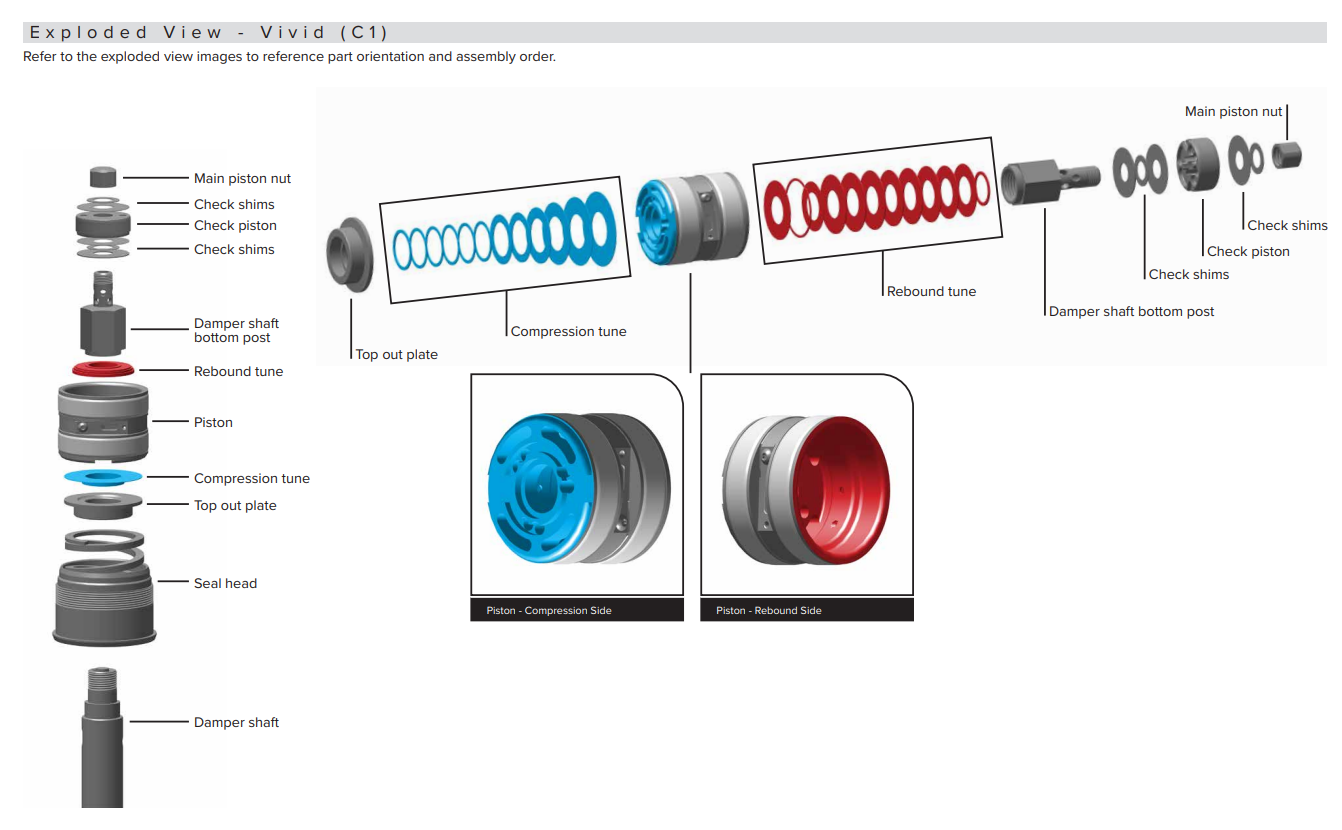
(The Vivid shock also happens to have it’s exact Compression and Rebound valve settings etched onto the body below the serial number. C26 and R25 – Clearly very deliberate choices for the Optic platform but no need to dive deep into those here – screenshot below)
The Lyrik fork with Charger 3.1 damper is……….adequate but not a standout. I haven’t yet found a way to make it feel less harsh, even with all compression circuits run wide open. Despite all the marketing fluff, low friction oils, longer bushing overlaps etc, it just doesn’t feel that plush through the hands. I’ve been using lower tyre pressure to take the sting out of square edges, knowing that, at least for now, I’m not riding trails that pose a real threat to my wheels.
Issues?
Straight out of the box the front brake lever (SRAM Code R) needed to be warrantied. The Left hand lever was fine – crisp and frictionless. The right hand side was dull and sticky. Classic sticky SRAM brake lever. However, SRAM’s warranty process is about as painless as it could be. There is a new lever on its way to me, and will be fitted by the time you read this.
For a modern performance-oriented brake, clamping down on 180mm rotors, outright stopping power is pretty underwhelming. I’ll reserve judgement until they are truly bedded in and have gone through some heat cycles…..but they might be headed for an early retirement. By comparison, the Code RSC’s fitted to my 3 year old Sight have been faultless, and only seem to improve with age.